
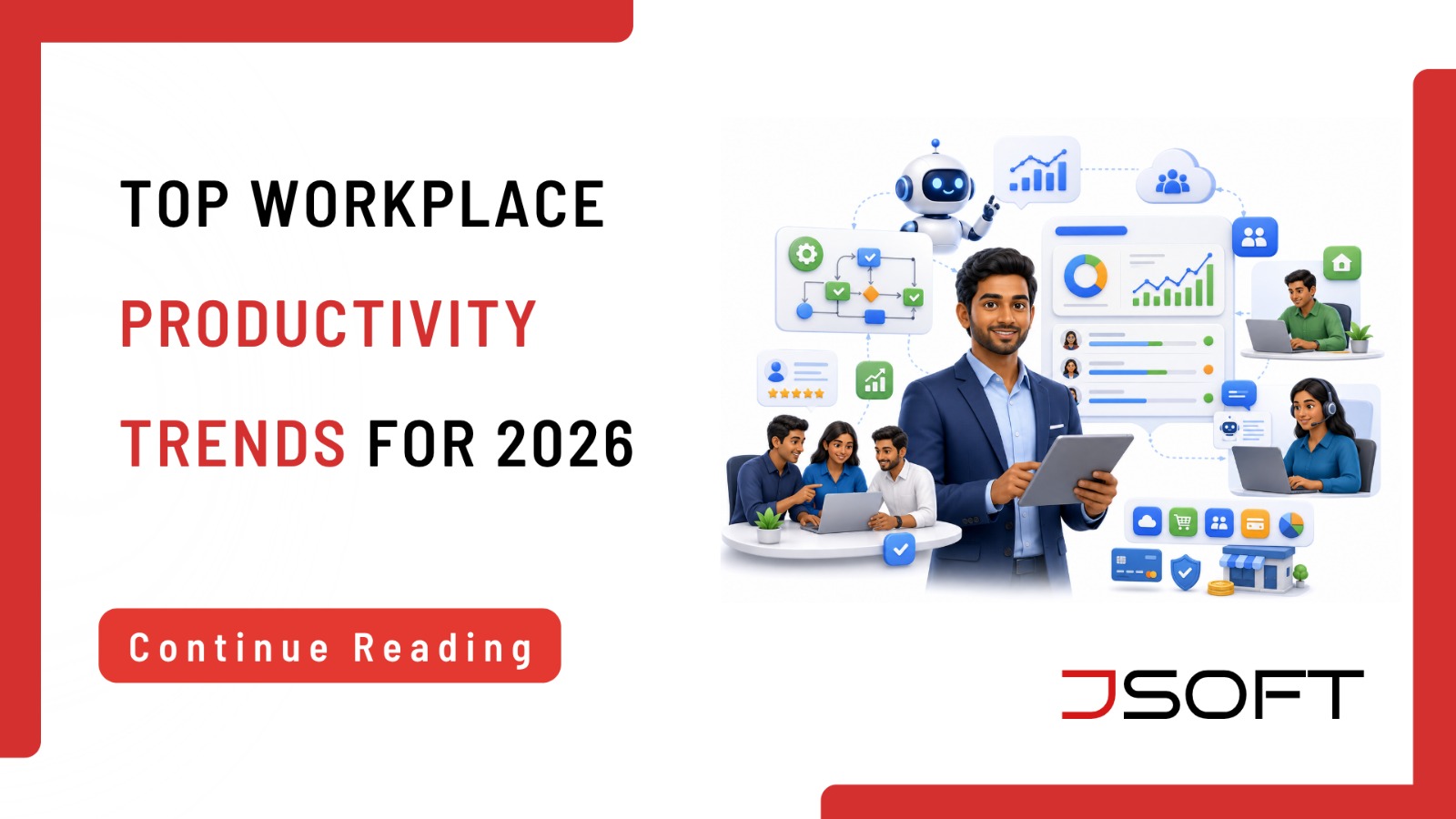
Workplace productivity is becoming increasingly important for Sri Lankan small and medium-sized enterprises (SMEs). As businesses face changing customer expectations, rising operational costs, increased competition, and rapid technology adoption, improving productivity is no longer simply about asking employees to work harder.
The latest workplace productivity trends are focused on helping employees work smarter through technology, automation, better communication, structured task management, data-driven decision-making, and more efficient business processes.
For Sri Lankan SMEs, understanding these trends can help business owners identify practical ways to improve efficiency without unnecessarily increasing operational costs.
Why Workplace Productivity Matters for Sri Lankan SMEs
SMEs often operate with limited resources. Employees may perform multiple roles, while business owners and managers have to manage operations, customers, finances, marketing, and employees simultaneously.
Better workplace productivity can help businesses complete work faster, reduce repetitive tasks, improve employee accountability, reduce operational errors, improve customer service, manage resources more efficiently, and support business growth.
8 Workplace Productivity Trends Sri Lankan SMEs Should Watch in 2026
1. AI-Assisted Work
AI is becoming part of everyday business processes. SMEs can use AI to support content creation, customer communication, data analysis, research, document processing, administrative work, and reporting.
2. Automation of Repetitive Tasks
Businesses are increasingly looking to automate data entry, notifications, report generation, task assignment, customer follow-ups, and document workflows.
3. Centralized Task Management
Centralized task management provides employees and managers with a shared view of assigned tasks, deadlines, priorities, status, responsible employees, and completed work.
4. Data-Driven Decision-Making
SMEs can monitor sales, customer activity, employee performance, operational costs, project progress, productivity, and customer feedback to make more informed decisions.
5. Flexible and Hybrid Work
Flexible work arrangements require effective systems for communication, task management, performance tracking, collaboration, and accountability.
6. Employee Performance Visibility
Managers need visibility into completed tasks, pending work, deadlines, workload, productivity patterns, and project progress. The objective should be transparency while maintaining trust.
7. Digital Customer Service
SMEs are adopting online support, automated responses, customer databases, digital payment systems, CRM platforms, and messaging platforms.
8. Integrated Business Software
Businesses increasingly want operational functions to work together rather than managing information through disconnected systems. Integrated systems can reduce duplicate data entry and improve visibility.
How Technology Can Improve SME Productivity
Technology can improve productivity by reducing the time employees spend on repetitive administrative activities.
A structured task management system can allow a manager to assign a task, specify a deadline, monitor progress, and review completion from a central platform.
The right technology should simplify business processes rather than create additional complexity.
Common Productivity Problems Sri Lankan SMEs Face
Poor task visibility, manual processes, communication gaps, lack of performance data, and too many disconnected tools are common operational challenges.
Identifying these problems is the first step toward improving productivity.
How to Improve Workplace Productivity Without Increasing Employee Pressure
Productivity should not mean constantly increasing employee workloads. Businesses can improve productivity by removing unnecessary work through automation, better task allocation, clearer responsibilities, fewer unnecessary meetings, centralized information, improved internal communication, better tools, and outcome-based measurement.
How JSOFT Can Help Sri Lankan SMEs Improve Productivity
Digital transformation does not have to mean implementing complicated enterprise systems.
Sri Lankan SMEs can begin with practical digital solutions that address specific operational challenges.
JSOFT provides business software solutions designed to help businesses manage operations more efficiently. Solutions such as task management, business management, POS, and other digital tools can help SMEs reduce manual processes and improve operational visibility.
A Simple Productivity Strategy for SMEs in 2026
1. Identify time-consuming tasks.
2. Identify bottlenecks.
3. Digitize important processes.
4. Measure results.
5. Continuously improve.
Businesses should regularly review their processes and identify additional opportunities for improvement.
What Should Sri Lankan SMEs Prioritize in 2026?
Not every technology trend is suitable for every business. SMEs should prioritize technologies that solve real operational problems.
For one business, task management may be the biggest priority. For another, it may be automation, customer management, POS systems, reporting, or employee productivity.
The best technology investment is not necessarily the newest technology. It is the technology that creates measurable value for the business.
Final Thoughts on Workplace Productivity Trends in 2026
Workplace productivity in 2026 is increasingly about working smarter rather than simply working harder.
AI, automation, task management, data-driven decision-making, flexible work, digital customer service, and integrated software are changing how businesses operate.
For Sri Lankan SMEs, these trends create opportunities to improve efficiency while remaining competitive in a changing business environment.
Frequently Asked Questions
What are the biggest workplace productivity trends in 2026?
Major trends include AI-assisted work, automation, task management, data-driven decision-making, flexible work, digital customer service, and integrated business software.
How can Sri Lankan SMEs improve employee productivity?
SMEs can improve productivity by simplifying workflows, automating repetitive tasks, improving task visibility, centralizing information, and providing employees with suitable digital tools.
Can AI help small businesses improve productivity?
Yes. AI can assist with repetitive tasks, content, research, data analysis, customer communication, and other business processes.
Is employee monitoring necessary for productivity?
Not always. Businesses can often improve productivity by focusing on clear responsibilities, measurable outcomes, task completion, and workflow efficiency rather than excessive employee monitoring.
Why is task management important for SMEs?
Task management helps businesses organize responsibilities, deadlines, priorities, and employee workloads while providing managers with better visibility.
Should every SME adopt the latest technology?
No. Businesses should prioritize technology based on their actual operational requirements and expected business value.
How can software improve workplace productivity?
Software can reduce manual work, centralize information, automate processes, improve task visibility, and provide data that helps managers make better decisions.